Navigating the world of commercial plumbing can seem daunting, especially when it comes to inspections. As a business owner, understanding what to expect during a commercial plumbing inspection is crucial for maintaining a safe and compliant property. Here's a breakdown from George's Plumbing to help you prepare.
Initial Consultation and Scheduling
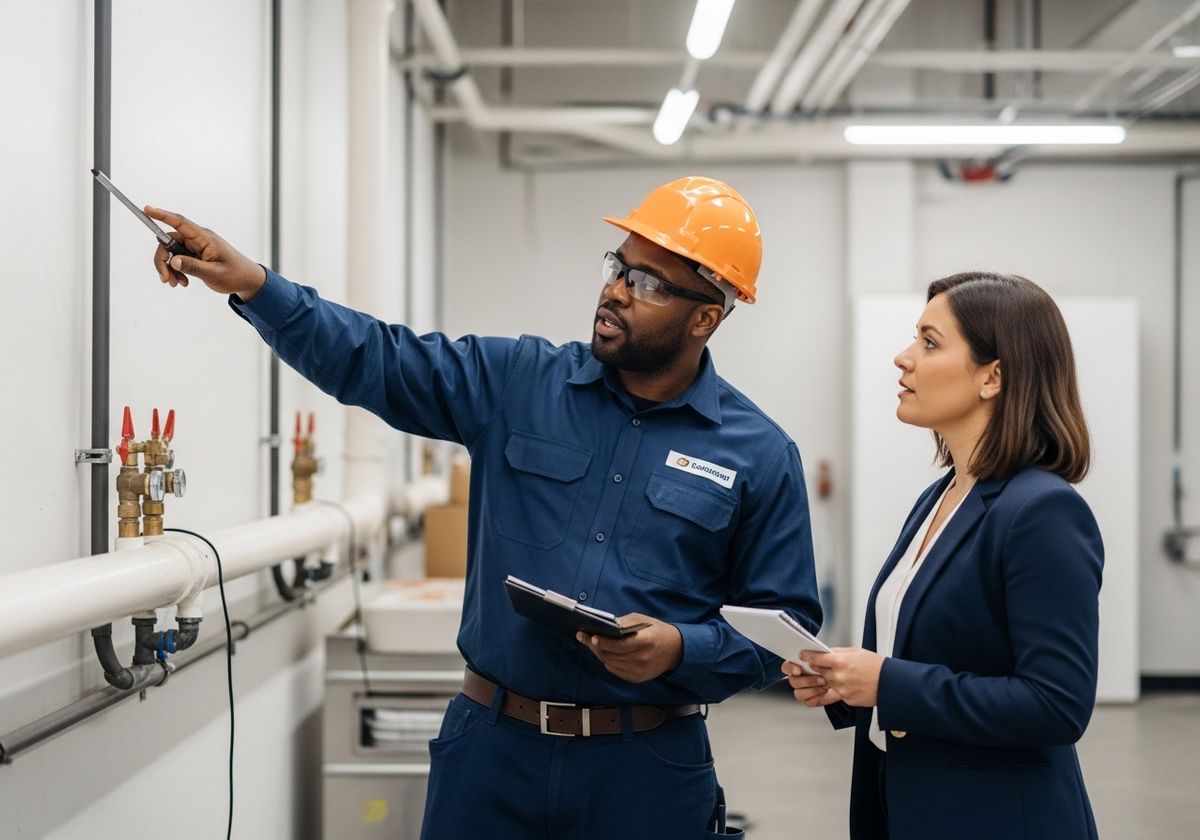
The process typically begins with scheduling an inspection with local commercial plumbers. During this initial consultation, be prepared to discuss the size and type of your commercial property, any known plumbing issues, and the purpose of the inspection.
Scope of the Inspection
A comprehensive commercial plumbing inspection covers various aspects of your plumbing system, including:
Water Heaters: Checking for leaks, proper venting, and functionality.
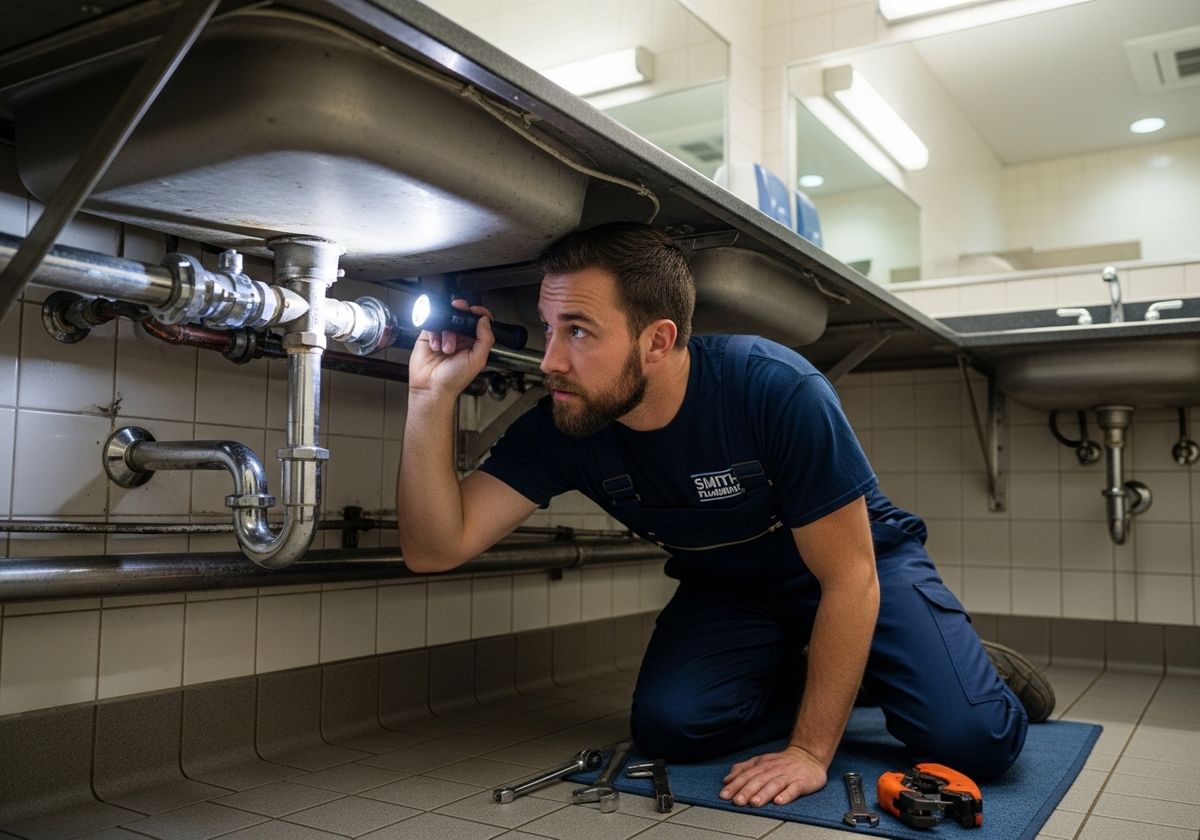
Pipes and Drains: Assessing the condition of visible pipes for corrosion, leaks, and blockages. Drain lines are checked for proper flow and signs of backups.
Fixtures: Inspecting faucets, toilets, sinks, and other fixtures for leaks, damage, and proper operation.
Sewer Lines: If accessible, the sewer line may be inspected for cracks, blockages, or root intrusion.
Backflow Prevention Devices: Ensuring these devices are functioning correctly to prevent contamination of the water supply.
What Happens During the Inspection
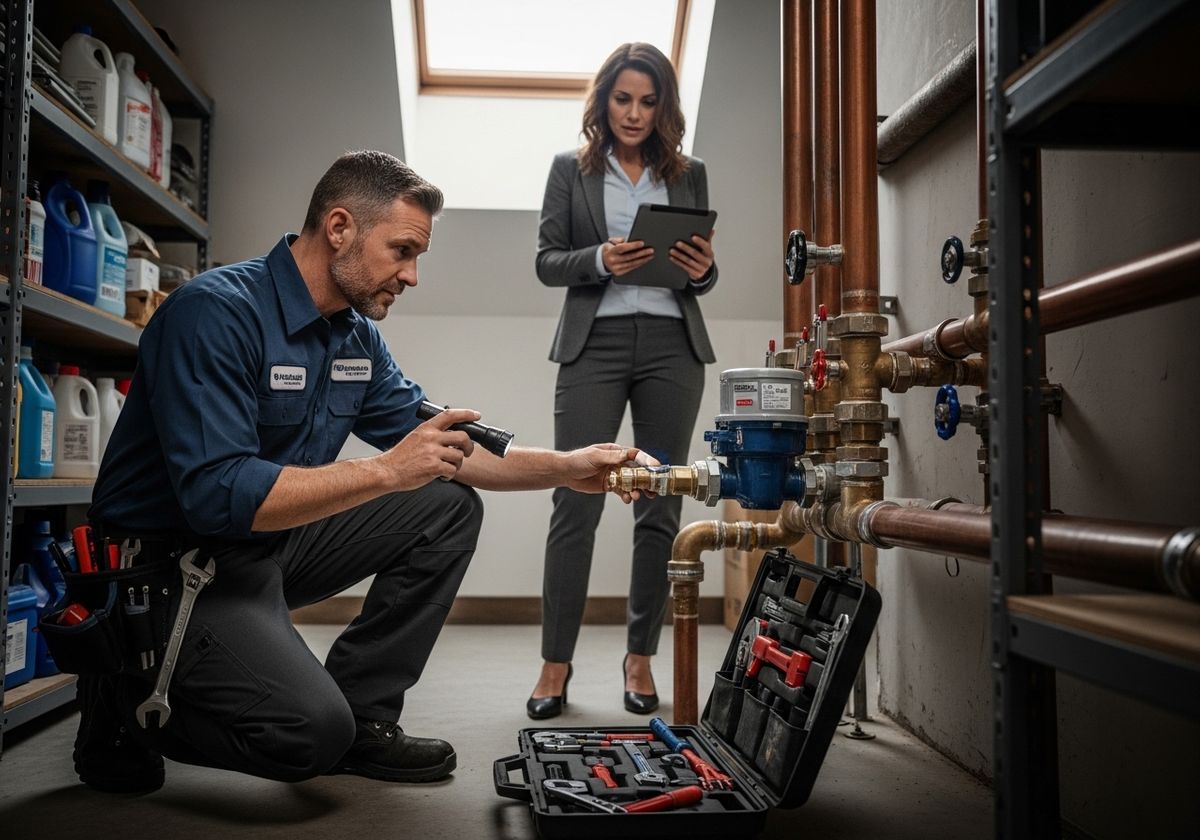
On the day of the inspection, the residential plumber will arrive with their tools and equipment. They will systematically assess your plumbing system, often starting with the main water supply and then moving through different areas of your building. Be prepared for the plumber to access various spaces, including storage rooms, restrooms, and mechanical areas. While the inspection is underway, it's a good idea to:
Minimize water usage during the inspection to help the plumber accurately assess water pressure and flow.
Have a representative available to answer questions and provide access to different areas of the property.
Post-Inspection Report and Recommendations
After the inspection, you'll receive a detailed report outlining the findings. This report will typically include:
A summary of the inspection's scope and methodology.
A list of any identified issues or code violations.
Recommendations for repairs, replacements, or further investigation.
Photographic evidence of any problems.
Use this report to prioritize necessary repairs and maintenance tasks. Addressing issues promptly can prevent costly damage and ensure the longevity of your plumbing system.
Understanding what to expect during a commercial plumbing inspection can help ensure the process goes smoothly and that you are well-informed about the condition of your plumbing system. Regular inspections are a proactive way to maintain your property, prevent costly repairs, and ensure the health and safety of your building's occupants. Remember, a licensed residential plumber can provide valuable insights and solutions to keep your plumbing in top shape. At George’s Plumbing, our licensed experts provide the professional oversight and reliable solutions needed to keep your facility's infrastructure in peak condition. Contact us today to schedule your commercial inspection and ensure your business stays up to code!